
10 Gentle Work From Home Habits for a Calmer, More Productive Day

Working from home sounds wonderfully peaceful in theory. No commute, no crowded train, no colleague asking you a “quick question” that somehow becomes a 45-minute conversation. And yet, somehow, you can still end the day feeling exhausted, distracted and wondering what exactly you accomplished between your first coffee and 5 p.m.
The problem usually isn’t that you need a stricter routine or another complicated productivity system. Most of the time, a few small habits can completely change the way your workday feels.
The goal isn’t to become a perfectly optimized productivity machine. You are, fortunately, still a human being. These gentle work-from-home habits are simply designed to help you feel more focused, comfortable and in control of your day — without making your routine feel like another job.
Contents
1. Let the Light In

Before opening your laptop, open the curtains.
It sounds ridiculously simple, but natural light can make your workspace feel instantly more awake and inviting. A dark room can make 9 a.m. feel suspiciously similar to 9 p.m., which isn’t exactly ideal when you’re trying to convince your brain that the working day has officially started.
If possible, position your desk near a window or somewhere that receives plenty of daylight. Even if your home office is small, letting natural light fill the space can make it feel calmer, brighter and much more pleasant to spend time in.
And on darker days, a warm desk lamp or soft ambient lighting can help create the same feeling. Your workspace doesn’t have to look like a corporate office to help you concentrate. In fact, I would argue that fluorescent-office chic has had quite enough time in the spotlight.
2. Get Dressed for the Day

One of the luxuries of working from home is that technically, nobody can stop you from answering emails in the same pyjamas you slept in.
That doesn’t necessarily mean you should.
You don’t need to dress as though you’re heading to an important meeting every morning. The goal is simply to create a small transition between “I just woke up” and “my workday has started.”
Choose clothes that are comfortable but make you feel put together. Even changing into a soft sweater, comfortable trousers or your favorite home outfit can shift your mindset more than you might expect.
It’s less about appearance and more about creating a psychological boundary between rest and work. Your brain loves signals, and getting dressed is one very easy way of telling it: okay, we’re doing things now.
3. Keep Water Nearby

When you’re working from home, it’s surprisingly easy to sit at your desk for three hours and suddenly realize that the only liquid you’ve consumed is coffee.
Your body may have opinions about that.
Keeping a bottle, glass or carafe of water on your desk removes one tiny barrier from staying hydrated throughout the day. You don’t have to remember to get up every time you want a drink because it’s already there.
If you tend to forget, turn it into part of your morning routine. Fill your water bottle when you make your first coffee or tea and place it beside your laptop before you begin working.
Small habits are often easier to maintain when they are connected to something you already do automatically. No hydration app, complicated tracking system or color-coded spreadsheet required.
4. Choose Three Priorities

A long to-do list can feel productive right up until you look at the 17 tasks waiting for you and suddenly decide that reorganizing your desktop folders seems extremely important.
Instead, start your day by choosing just three main priorities.
Ask yourself: If I only complete three meaningful things today, what should they be?
Those three tasks become the backbone of your workday. You can still keep a longer list for smaller tasks, emails and admin, but your priorities should remain visible so they don’t disappear underneath everything else.
This approach helps reduce the constant feeling that you should be doing everything at once.
Because realistically, you are never going to finish every possible task. There will always be another email, another idea and another thing that “only takes five minutes.” Choosing your priorities simply helps you decide what deserves your attention first.
5. Create a Tidy Workspace

Your home office doesn’t need to look like a perfectly styled Pinterest photo at all times.
Mine certainly wouldn’t survive that standard.
But creating a reasonably tidy workspace can make it much easier to concentrate. Visual clutter has a sneaky way of competing for your attention, especially when you’re already feeling overwhelmed.
Before starting your day, take two minutes to clear anything that doesn’t belong on your desk. Put away yesterday’s coffee cup, stack loose papers and return random objects to wherever they mysteriously came from.
You don’t need an enormous office either. A small desk, comfortable chair and a few thoughtful details can be enough to create a workspace you genuinely enjoy using.
The goal isn’t perfection. It’s simply creating an environment that feels calm enough for your brain to focus on the actual work in front of you.
6. Take Real Breaks

Scrolling through your phone while still sitting at your desk is technically a break.
But your brain may disagree.
Real breaks involve stepping away from your work for a few minutes. Make a coffee, stretch, stand by the window, walk outside or simply sit somewhere that isn’t directly in front of your laptop.
Even a short pause can help reset your attention.
When we feel busy, breaks often seem like wasted time. In reality, forcing yourself to stare at a screen for hours while your concentration slowly disappears isn’t particularly productive either.
Try giving yourself permission to pause before you reach the point where your brain has officially closed for business.
A ten-minute break can often make the next hour of work much easier.
7. Silence Your Notifications
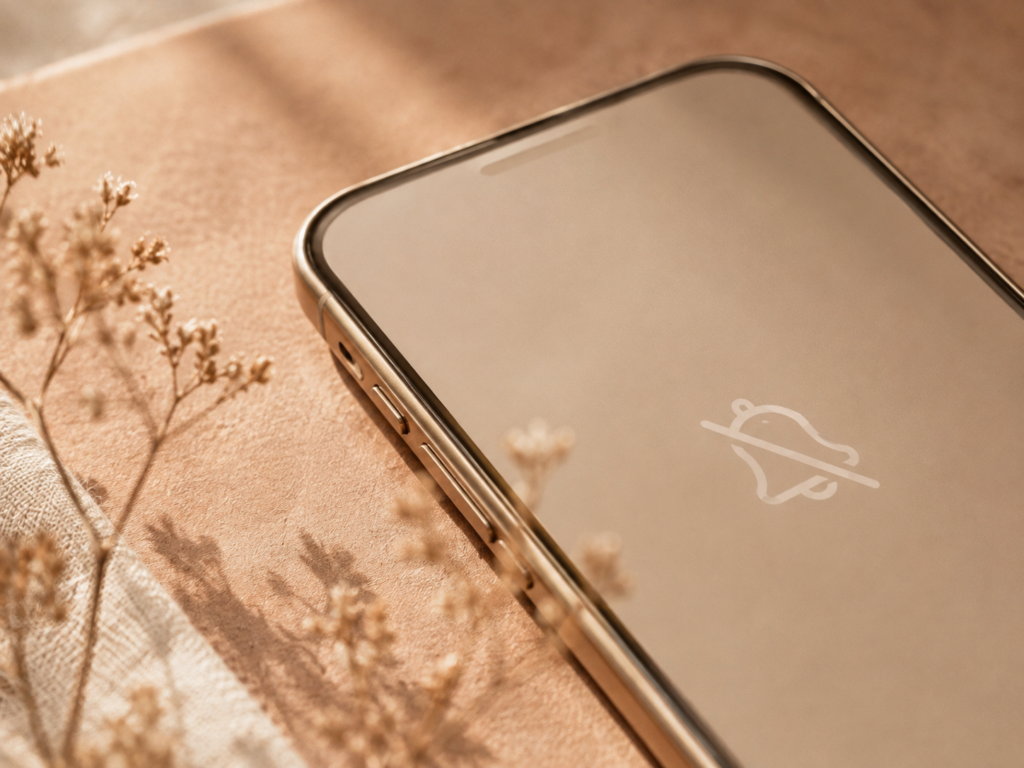
Few things destroy concentration quite as efficiently as a tiny notification appearing in the corner of your screen.
One email becomes another email, which reminds you to check something else, which somehow leads to your phone, and suddenly you’re reading about a celebrity you don’t even care about.
When you need to focus, silence anything that doesn’t require an immediate response.
Use Do Not Disturb mode, close unnecessary browser tabs and consider checking emails at specific times instead of reacting to every message the second it arrives.
You don’t have to become completely unreachable. The point is simply to decide when you give something your attention instead of letting every notification make that decision for you.
Your attention is one of your most valuable resources during the workday. Protect it accordingly.
8. Add a Soft Ambience

Productivity doesn’t have to happen in a cold, perfectly silent room.
Creating an atmosphere you enjoy can actually make working from home feel much more pleasant.
Try adding a warm lamp, a candle, a small plant, a favorite playlist or a few objects that make your desk feel like your space. Even small details such as a beautiful mug or notebook can make an everyday routine feel a little more intentional.
This isn’t about buying an entirely new office every time Pinterest convinces you that your desk needs a personality transformation.
It’s about making your environment comfortable enough that you actually enjoy spending time there.
A workspace that feels calm and inviting can become a subtle cue that it’s time to settle in, focus and get things done.
9. Move Between Tasks

Working from home can involve an alarming amount of sitting.
You sit to answer emails. You sit for meetings. You sit to work. Then you finish working and, for variety, move three meters to another chair and sit there too.
Try using natural transitions between tasks as reminders to move.
After finishing a meeting, stand up and stretch. When you complete a major task, walk around for a few minutes. If you’re making coffee, use the opportunity to move your shoulders, stretch your legs or step outside.
You don’t need an elaborate workout every two hours.
Even a few minutes of movement can help break up long periods of sitting and create a mental reset before beginning something new.
Think of it as a small pause between chapters of your workday.
10. Log Off on Time

One of the hardest parts of working from home is knowing when the workday actually ends.
When your laptop is only a few steps away, it becomes dangerously easy to think, I’ll just answer one more email.
And then another.
And perhaps quickly finish that thing for tomorrow.
Suddenly it’s 8:17 p.m. and apparently you live at the office now.
Choose a realistic time to finish your workday and create a small shutdown ritual. Review what you completed, write down tomorrow’s priorities, close your tabs and physically put your laptop away if possible.
The work will still be there tomorrow. It always is.
Protecting your evenings helps create a healthier boundary between your work life and your personal life — something that becomes especially important when both happen under the same roof.
A Better Workday Doesn’t Need a Perfect Routine
You don’t need to wake up at 5 a.m., meditate for 45 minutes, journal three pages, drink celery juice and complete your entire to-do list before breakfast to have a productive day.
Thank goodness.
A calmer work-from-home routine is usually built from much smaller choices.
Open the curtains. Drink some water. Decide what really matters today. Step away from your screen occasionally. Create a workspace that makes you feel good. And when the day is over, allow it to actually be over.
You don’t need to introduce all ten habits at once either. Choose two or three that would make the biggest difference to your current routine and start there.
Because the best work-from-home routine isn’t the most impressive one.
It’s the one you can actually live with.